
.png)
The Copenhagen Zoologist Game is designed to engage and educate visitors about animal conservation in a fun and immersive way. Through interactive gameplay and on-site activities, users can explore the zoo, learn about endangered species, and participate in conservation challenges. By designing the game to be accessed outside of the zoo also can help promote sustained interest past the initial zoo visit.
During my time abroad, my graphic design class challenged us in designing for the Copenhagen Zoo.
Due to Denmark's cold temperatures and limited sunlight for most months, the zoo sees few visitors outside the summer months. As an outdoor facility, it struggles to maintain steady business and popularity throughout the year. The zoo challenged us to help them address this issue.
This experience hopes to encourage interest and learning in the zoo's conservation efforts as well as promote sustained interest in the zoo all seasons of the year.
April 2024 - May 2024
Figma
Illustrator
Photoshop
Sole Designer
At a glance, Looking online and at the CPH Zoo website, the zoo seems like a fun and great place for families and children. They have many planned activities for children to come to and fair packages for schools and institutions.
.png)
.png)
We were lucky enough to be able to speak with a worker and learn about the zoo first hand. After being given basic background information about the zoo and their conservation efforts, we were given some grievances the zoo would like addressed.


The Copenhagen Zoo is widely recognized for its conservation programs and biodiversity research, with a mission to inspire the next generation to protect the natural world. However, translating complex scientific efforts into content that is engaging and accessible for young audiences remains a significant challenge.
Despite offering many child-focused programs, the Copenhagen Zoo found that young visitors often lacked enthusiasm for traditional educational content. Children expect excitement and play when visiting the zoo, so conservation messaging must be delivered in ways that feel immersive, engaging, and fun rather than purely instructional.
Relying on verbal explanations or static information alone is not an effective way to educate young audiences. To sustain attention and deepen understanding, learning experiences must be interactive, hands on, and designed to actively involve children in the subject matter rather than positioning them as passive listeners.
The Zoologist Program at the CPH Zoo is an exciting program designed to ignite the curiosity of young minds and foster a deeper appreciation for wildlife and conservation efforts.
Geared towards children aged 6-12, the program offers a dynamic blend of education, exploration, and fun activities on and out of the zoo premises. Throughout their program journey, the junior zoologists embark on a quest to complete challenges geared to educate and engage.
Challenges may include:
Scavenger Hunts
Answering Trivia
Visiting various sites around the zoo
Attending zoo programs and events
Dressing up and impersonating your favorite animals
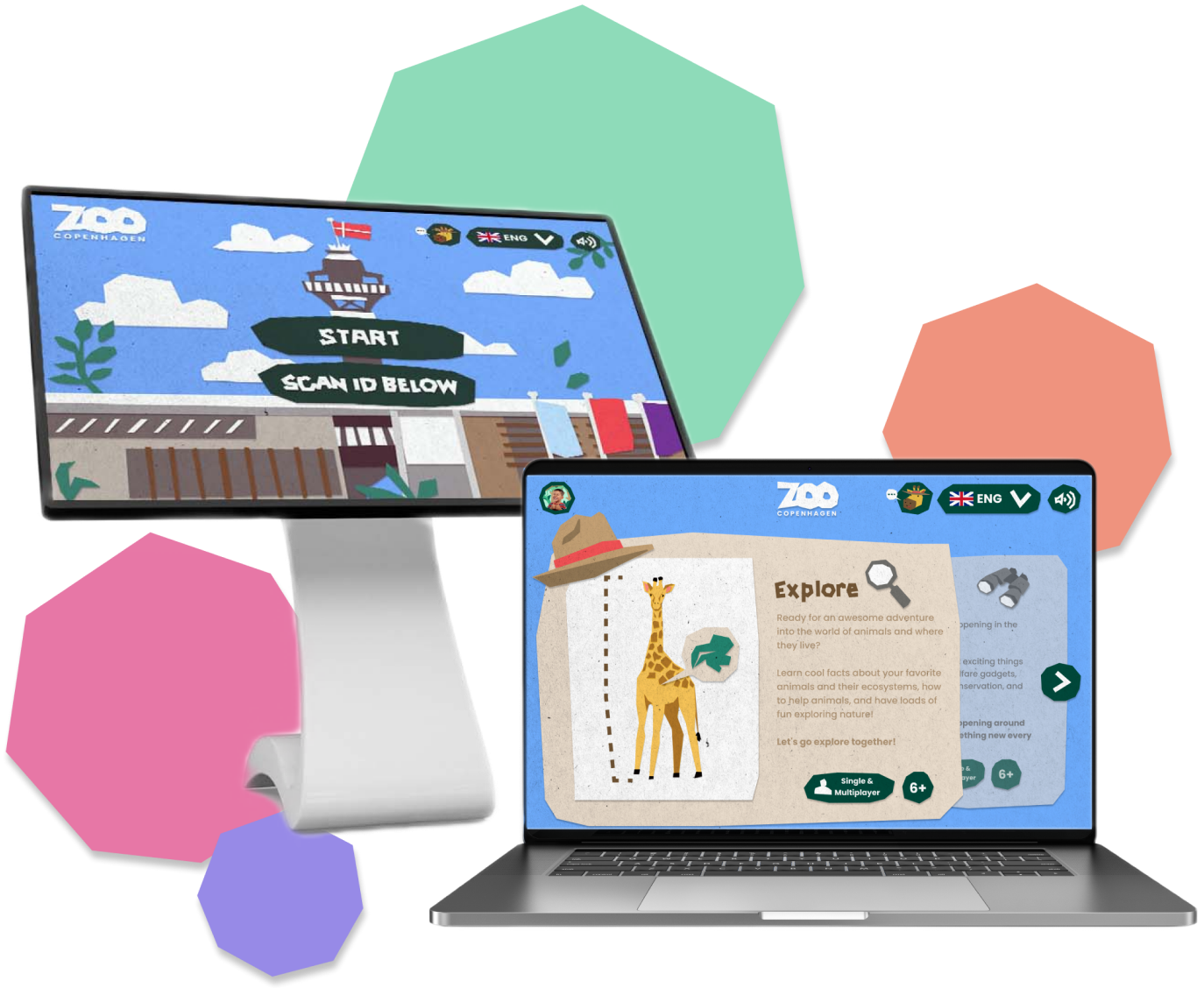
For the Copenhagen Zoo, I created a bright, colorful design system inspired by layered paper crafts to feel playful and approachable for kids. The home and landing page are simple and intuitive, with swipeable activities displayed upfront to encourage easy exploration and engagement.
.png)
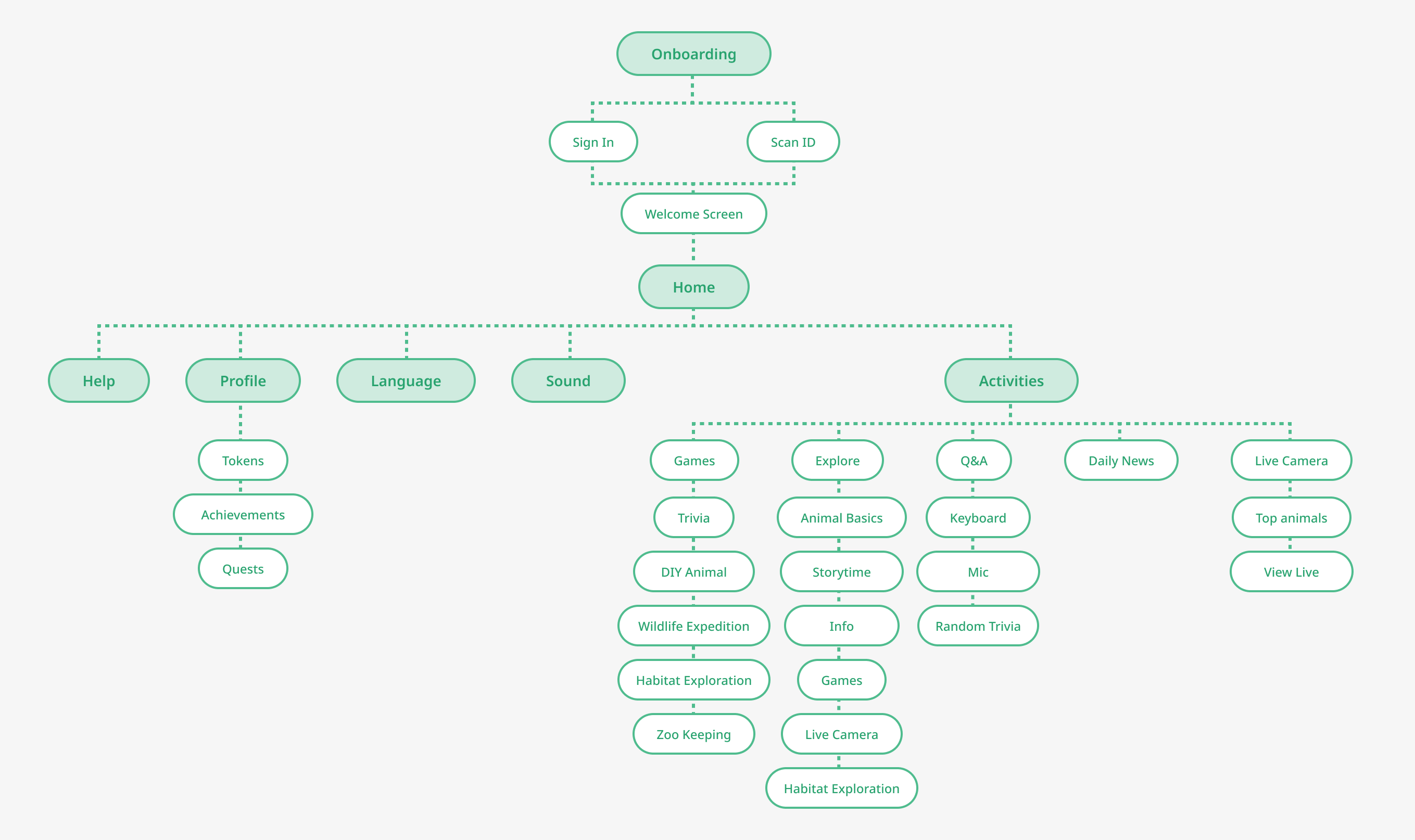
The Explore page allows children to search for their favorite animals and discover related activities, conservation stories, and educational resources that extend beyond their visit. Designed to be clear and easy to navigate, it encourages curiosity by connecting each animal to interactive content and learning opportunities both inside the zoo and at home.

The Games page offers interactive experiences such as trivia, DIY animal creation, wildlife expeditions, habitat exploration, and virtual zoo keeping. Designed to be both educational and playful, these activities reinforce conservation concepts through hands on learning. Children can also play alongside others, adding a social layer that encourages collaboration, friendly competition, and shared discovery.

The Live Camera feature allows children to watch their favorite animals in real time, observing behaviors and daily activities as they unfold. Accessible anytime, it extends the zoo experience beyond the visit, helping young users feel continuously connected and engaged with the animals they care about.
.png)
The Q&A page features an AI powered assistant that answers children’s questions in real time, making it easy to explore curiosities about animals and conservation in an immediate, approachable way. The Daily News page shares global conservation and nature updates in simplified, kid friendly language, helping young users stay informed while building awareness of environmental issues around the world.

.png)
The Profile page showcases earned achievements and virtual coins, giving children a sense of progress and accomplishment. Connected to it, the Quest page offers interactive challenges that reward coins, encouraging continued engagement and motivating users to explore more of the zoo’s content.

My graphic design class visited the Copenhagen Zoo to conduct on site research and evaluate the visitor experience. After speaking with a zoo staff member about their conservation goals and educational challenges, I gathered informal insights from visiting families, despite freezing weather and low attendance, to help inform the project direction.

Mother of a 7 year old
Her Experience
She wants to cultivate a sense of wonder and curiosity in animals and in animal conservation, however she thinks it's hard to do so by just bringing her kids to the zoo. She has never brought her kids to any zoo-sponsored events.
"He's (7 yr old) not really interested in animals, but still thinks its fun, especially during the feeding times. "
.png)
Mother of 2 toddlers
Her Experience
She had plenty of time to do activities with her children, but would only visit the zoo up to twice a year. Her kids enjoy going to the zoo because there's a lot to see and they're still young enough to go to the zoo as if they are visiting for the first time.
"It's a nice place, maybe not the best day to visit though... Summer is the best time."
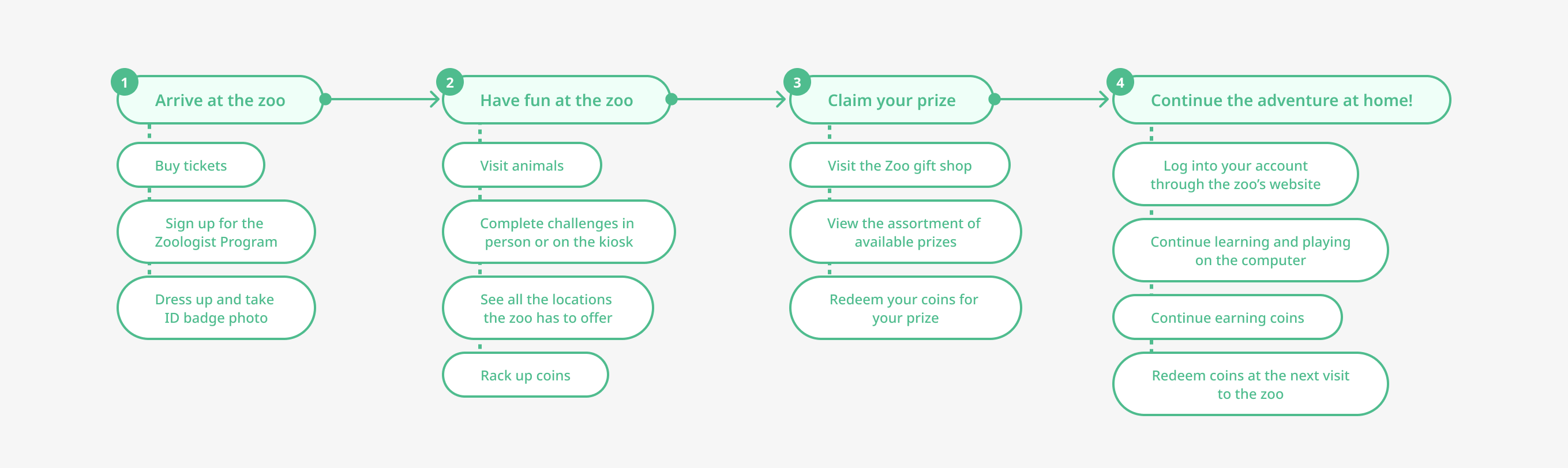
I created a user flow to map the Zoologist program experience, from signing up and completing challenges to earning coins and redeeming them at the zoo gift shop. The flow also considers how kids can continue learning and engaging with the content after their visit.
The visual identity draws inspiration from layered construction paper crafts, echoing the hands on projects children often create in school. This playful, tactile style evokes whimsy and nostalgia, creating a sense of familiarity for young users while also appealing to parents through its charm and warmth.
.jpg)
.png)
This project focused on translating complex conservation topics into experiences that feel engaging and accessible for younger audiences. It highlighted the importance of visual storytelling and simple interactions when designing for children.
Play based activities can make educational content more engaging and memorable. Designing interactive challenges helps children explore and learn in a way that feels natural and fun.
Complex ideas become easier to understand when they are presented visually. This project explored how color, illustration, and playful UI can help communicate conservation concepts to kids.